
11 May VPL Maintenance: What Building Owners and Contractors Need to Know
A vertical platform lift is a significant investment in accessibility and compliance. Like any mechanical system, it performs best and lasts longest when it receives regular, properly documented maintenance. For building owners and contractors in North Texas, understanding what VPL maintenance involves, how often it should happen, and who should perform it is an important part of protecting that investment.
This guide covers the basics of vertical platform lift maintenance, what is typically included in a service schedule, and what to watch for between professional service visits.
Why VPL Maintenance Matters
Vertical platform lifts are used in a wide range of settings, including commercial buildings, churches, medical offices, schools, and residential properties. In most of these settings, the lift is a primary accessibility route for people with mobility limitations. A lift that is out of service, even temporarily, can create a compliance issue and, more importantly, leave users without access.
Regular maintenance helps prevent unexpected failures, identifies wear before it becomes a breakdown, and ensures the lift continues to meet the safety standards required by the Americans with Disabilities Act and the Texas Accessibility Standards. It also creates a documented service record, which can be important during building inspections or when a property changes hands.
How Often Should a Vertical Platform Lift Be Serviced?
Most VPL manufacturers recommend professional service at least once per year. Lifts that see heavy daily use, particularly in commercial or high-traffic settings, may benefit from semi-annual service visits. Outdoor lifts in North Texas, which are exposed to heat, humidity, and seasonal temperature swings, typically require more frequent attention than indoor units.
Texas law also requires that certain lift types be inspected by a TDLR-licensed inspector at defined intervals. Lift-Aids works with building owners to coordinate these required inspections and ensure that all documentation is current. If you are unsure of the inspection schedule for your lift, contact Lift-Aids and we can review the requirements for your specific unit and jurisdiction.
What Is Included in a Professional VPL Service Visit?
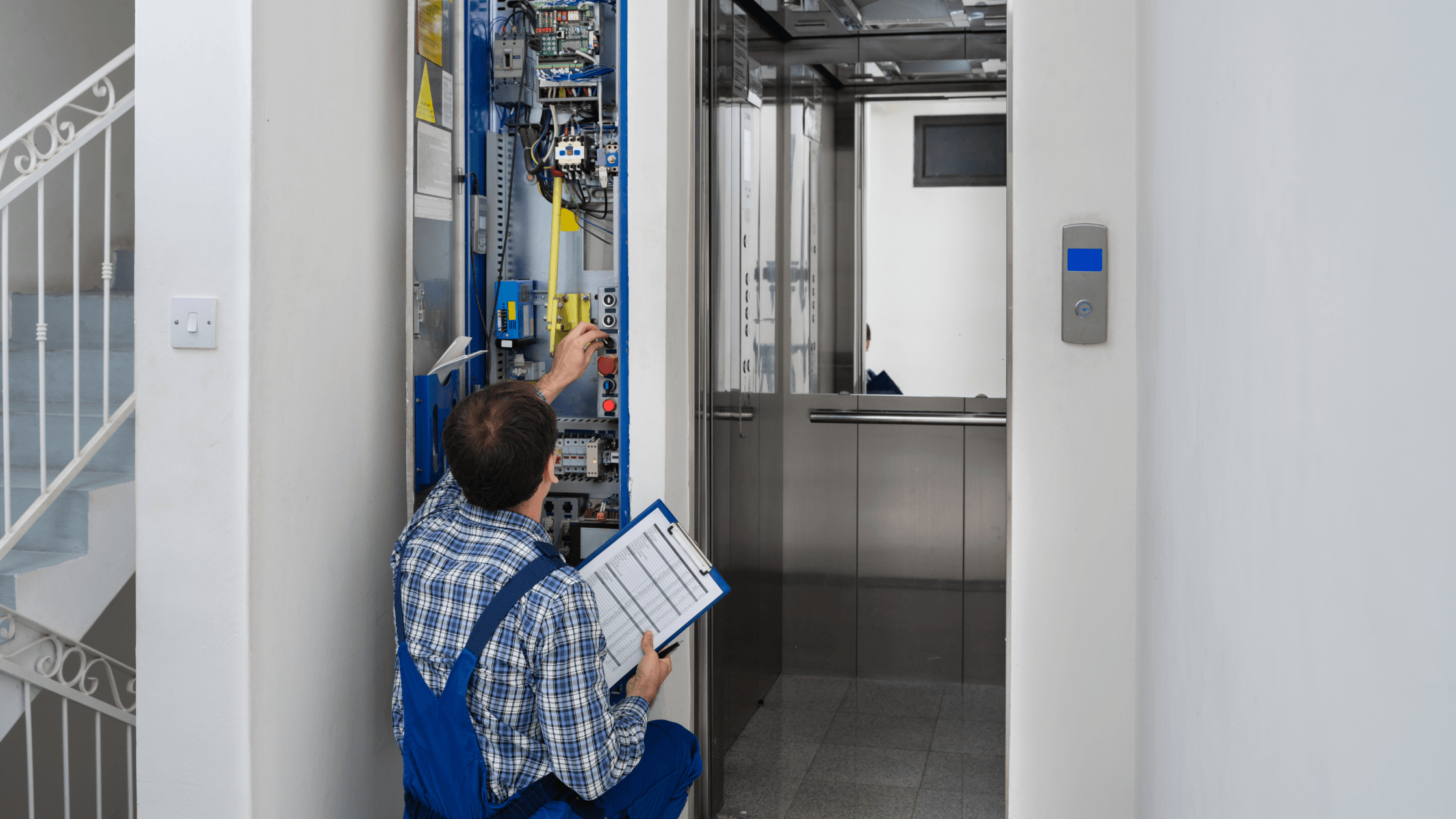
A professional maintenance visit for a vertical platform lift typically includes the following:
- Safety sensor testing: All obstruction sensors, edge guards, and safety bars are tested to confirm they stop the lift when triggered. Sensors that are out of calibration or damaged are replaced.
- Drive system inspection: The drive mechanism, whether hydraulic, screw drive, or cable, is inspected for wear, leaks, or misalignment. Lubrication is applied to all moving components per manufacturer specifications.
- Platform and ramp inspection: The platform deck, fold-down ramp, and handrails are inspected for structural integrity, loose fasteners, and surface wear. Nonskid surfaces are checked and replaced if worn.
- Electrical system check: Control panels, wiring, limit switches, and battery backup systems are tested. Any connections that show signs of corrosion or wear are addressed.
- Upper and lower limit switch verification: The lift is cycled through its full range of travel to confirm that upper and lower limit switches stop the platform at the correct positions.
- Enclosure and door inspection: For enclosed VPLs, gate latches, door hardware, and interlocks are tested to confirm they function correctly and prevent the lift from operating with an open gate or door.
What to Watch for Between Service Visits
Building staff and contractors who manage properties with VPLs can help catch problems early by paying attention to a few common warning signs between professional service visits.
Unusual Noises
A grinding, squeaking, or clicking sound during operation often indicates a lubrication issue, a worn drive component, or debris in the track system. These sounds should be reported and evaluated by a qualified technician before they lead to a more serious failure.
Slow or Hesitant Operation
A lift that moves more slowly than usual, hesitates during travel, or struggles to reach the upper landing may be experiencing a low battery, a hydraulic pressure issue, or a mechanical binding. This is particularly common on outdoor lifts after periods of extreme heat or cold.
Error Codes or Warning Lights
Most modern VPL control systems display error codes when a fault is detected. If an error code appears on the control panel, document it and contact your service provider. Do not attempt to clear codes or override safety systems without proper training.
Physical Damage to the Platform or Enclosure
Visible damage to the platform deck, handrails, gate hardware, or enclosure panels should be addressed promptly. Damaged components can compromise the safety of the lift and may create a compliance issue.
Outdoor VPLs in North Texas: Additional Considerations
North Texas weather presents specific maintenance challenges for outdoor vertical platform lifts. Summer temperatures regularly exceed 100 degrees Fahrenheit, which can accelerate wear on hydraulic seals, rubber components, and electrical insulation. Winter ice events, while less frequent, can affect sensors and drive systems if the lift is not properly protected.
For outdoor lifts, Lift-Aids recommends the following in addition to standard annual service:
- Inspect and treat metal surfaces for rust or corrosion at least once per year, with additional checks after prolonged rain or humidity.
- Test battery backup systems before and after summer, as heat significantly reduces battery life and capacity.
- Clear debris, including leaves, dirt, and gravel, from the pit area after storms to prevent obstruction sensor false triggers.
- Confirm that drain holes in the pit are clear and functioning, particularly before the spring storm season.
Partnering With Lift-Aids for Ongoing VPL Maintenance
Lift-Aids has been servicing vertical platform lifts and accessibility equipment across North Texas since 1968. Our technicians are familiar with the full range of commercial and residential VPL systems and work with building owners and property managers to develop service schedules that fit their operational needs. Whether you need a one-time service visit or ongoing maintenance coverage, we can help keep your lift operating safely and in compliance. Request a service estimate here.