
25 Sep Section 179 Savings: Accessibility Upgrades Could Save Your Business Money
Summary:
Each year, the U.S. tax code provides business owners with a valuable opportunity to invest in their facilities while reducing their taxable income. Section 179 of the IRS tax code allows you to deduct the full purchase price of qualifying equipment—including accessibility products like LU/LA elevators and wheelchair lifts—if they’re placed in service before the end of the year. In this article, we’ll explain how Section 179 works, what accessibility equipment qualifies, and why acting before December 31 can help North Texas builders and business owners save thousands.
1. What Is the Section 179 Deduction?
Section 179 is part of the federal tax code designed to encourage businesses to reinvest in their operations. Instead of spreading deductions over several years through depreciation, Section 179 lets companies deduct the entire cost of qualifying equipment in the same year it’s purchased and installed.
For 2025, the deduction limit is $2.5 million, meaning most small and mid-sized businesses can write off 100% of qualifying accessibility upgrades within that amount.
To qualify, the equipment must be:
- Purchased or financed during the tax year.
- Used for business purposes more than 50% of the time.
- Placed in service—fully installed and operational—before December 31, 2025.
2. Accessibility Equipment That Qualifies
Many business owners are surprised to learn that accessibility improvements often qualify for Section 179 deductions. The IRS generally allows deductions for property that’s used in your business and not part of a building’s structural framework.
For Lift-Aids, Inc. customers, this can include:
- LU/LA elevators – Ideal for low-rise commercial buildings such as offices, schools, and churches.
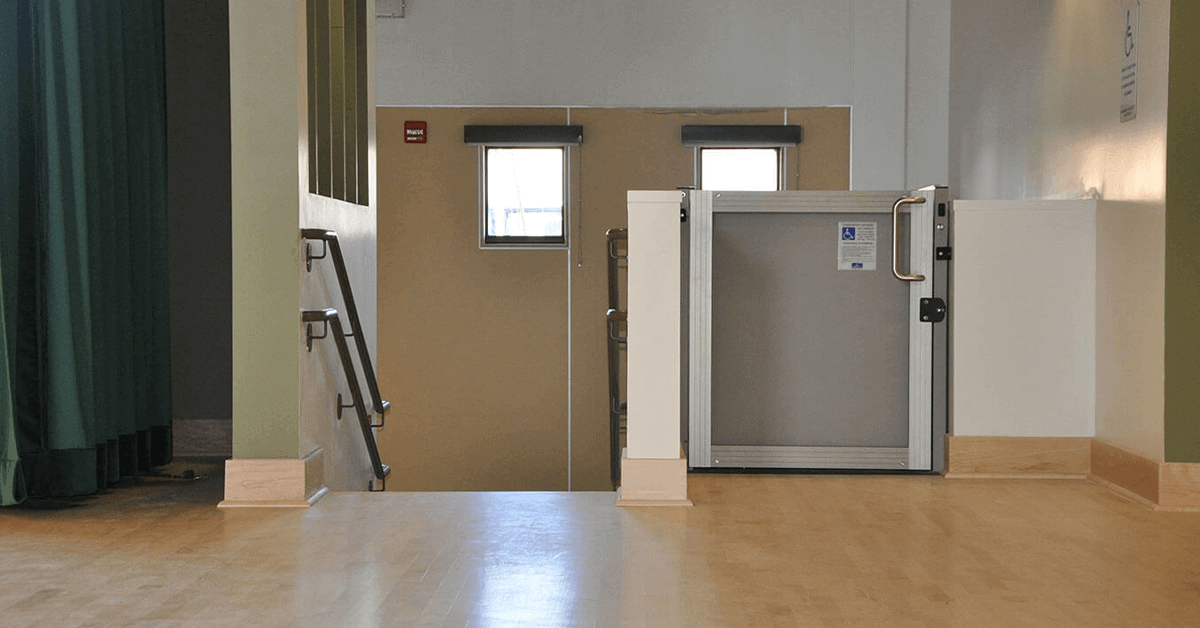
- Vertical platform lifts (VPLs) – Provide ADA access to raised entries or stages.
- Inclined platform lifts – Perfect for stairways where vertical lifts won’t fit.
- Ceiling track and portable lifts – Common in care facilities and therapy centers.
- Wheelchair vehicle modifications – For organizations providing transportation services.
Each of these products improves accessibility while also enhancing the functionality and compliance of your facility—making them strong candidates for this deduction.
3. How the Tax Savings Add Up
Here’s a simplified example:
A local community center in North Texas installs a $45,000 LU/LA elevator before year-end. Instead of depreciating the cost over several years, the entire $45,000 can be deducted immediately under Section 179.
If the organization falls into a 24% tax bracket, that’s a $10,800 reduction in taxes owed for the current year. The savings can then be reinvested into other facility improvements or maintenance needs.
The same principle applies to wheelchair lifts, accessibility modifications, or adaptive equipment purchases made by contractors or businesses.
4. Timing Is Everything: “Placed in Service” Before December 31
One of the most important details in Section 179 is the “placed in service” rule. To claim the deduction, the equipment must be fully installed and ready for use by December 31.
That means businesses planning accessibility upgrades need to schedule installations well before year-end to allow time for site preparation, delivery, and inspection.
For example, a VPL or LU/LA elevator ordered late in the year may not be completed in time to qualify, making early planning essential.
If you’re considering upgrades now, October and early November are ideal months to finalize your project scope and lock in installation dates.
5. Accessibility Upgrades: A Smart Business Investment
Section 179 is more than a tax incentive—it’s an opportunity to improve your building’s usability, safety, and compliance while cutting costs.
Here’s why accessibility investments pay off long-term:
- Code compliance: Accessibility features keep your building up to ADA and TAS standards.
- Expanded reach: Welcoming all visitors, employees, and customers improves reputation and inclusivity.
- Operational efficiency: Elevators and lifts enhance movement and workflow within facilities.
- Property value: Accessibility improvements often increase market appeal and resale potential.
Upgrades like LU/LA elevators and VPLs are not just smart from a tax perspective—they demonstrate long-term commitment to accessibility and quality.
6. Key Takeaways: How to Maximize Section 179 Benefits
- Act early: Projects must be installed and operational before December 31 to qualify.
- Work with licensed professionals: Proper documentation and compliance protect your deduction.
- Choose qualifying equipment: LU/LA elevators, platform lifts, and adaptive systems often qualify.
- Consult your tax professional: Always confirm eligibility with a CPA familiar with construction and accessibility deductions.
- Partner with experts: Lift-Aids provides guidance and installation to ensure your project meets both code and timing requirements.
7. Plan Your Year-End Project with Lift-Aids
Whether you’re upgrading a facility, designing for ADA compliance, or managing a commercial retrofit, accessibility improvements can also be a strategic financial move.
Section 179 allows businesses to invest in meaningful upgrades today—while gaining valuable tax advantages tomorrow.
Contact Lift-Aids, Inc. to speak with a professional about your project needs and goals. We’re happy to consult with you on the best accessibility option for your project.