
23 Sep Residential Elevators: Elevating Value & Accessibility
Summary:
Adding a residential elevator isn’t just about accessibility—it’s about long-term value, convenience, and design flexibility. Modern home elevators fit beautifully into new construction and remodels alike, offering quiet operation, compact footprints, and elegant finishes. In this article, we’ll explain how residential elevators enhance both daily living and resale value, why early planning is key, and what North Texas builders and homeowners should know when designing for seamless installation.
1. Why Home Elevators Are Rising in Popularity
Residential elevators used to be considered a luxury reserved for large estates. Today, they’ve become a practical and desirable feature for homeowners at every stage of life.
In areas throughout North Texas, where multilevel homes are common, adding an elevator makes daily living more comfortable—and future-proofs a home for aging in place.
For custom home builders, a residential elevator has also become a selling point that can help differentiate a property in a competitive housing market. It adds not just accessibility, but convenience and long-term financial return.
2. Accessibility Meets Everyday Convenience
While accessibility remains the leading reason people install elevators, many families appreciate them for their everyday convenience—enabling the easy movement of groceries, luggage, or laundry between floors.
A home elevator provides:
- Effortless movement between floors for all ages.
- Support for aging-in-place without modifying the home later.
- Safer transport for heavy items compared to stairs or lifts.
What was once viewed as a medical need is now seen as a smart lifestyle upgrade that improves both comfort and functionality.
3. Designing Early: Why Hoistway Planning Matters
One of the most common challenges in residential elevator projects is the occurrence of late-stage design changes. If the hoistway (the vertical space where the elevator travels) isn’t planned during the blueprint stage, builders may face costly modifications later.
Most residential elevators require a hoistway space between 52 and 60 inches wide and a pit depth of 8 to 12 inches, depending on the model. By planning this space early, architects can integrate the elevator cleanly into the floor plan—rather than adding it as an afterthought.
Pro Tip: Even if your client isn’t ready to install the elevator right away, it’s wise to “stack closets” vertically to create a future-ready shaft. This small planning step preserves flexibility and adds resale appeal.
4. Choosing the Right Elevator Type for Your Home
Home elevators come in several configurations, each with its own advantages.
| Type | How It Works | Best For |
| Hydraulic | Uses a piston system for smooth, quiet travel. | Larger homes or luxury builds with space for a small machine room. |
| Cable Drum | Compact, machine-room-less design. | Tight floor plans or retrofit installations. |
| Shaftless (Through-the-Floor) | Travels through an open floor cutout without a hoistway. | Remodels, additions, or homes with limited space. |
Your choice will depend on your floor layout, desired style, and accessibility needs. Lift-Aids can help evaluate which drive system fits your project goals and structure.
5. Design Flexibility and Aesthetic Integration
Today’s home elevators are designed to complement—not compromise—your home’s style.
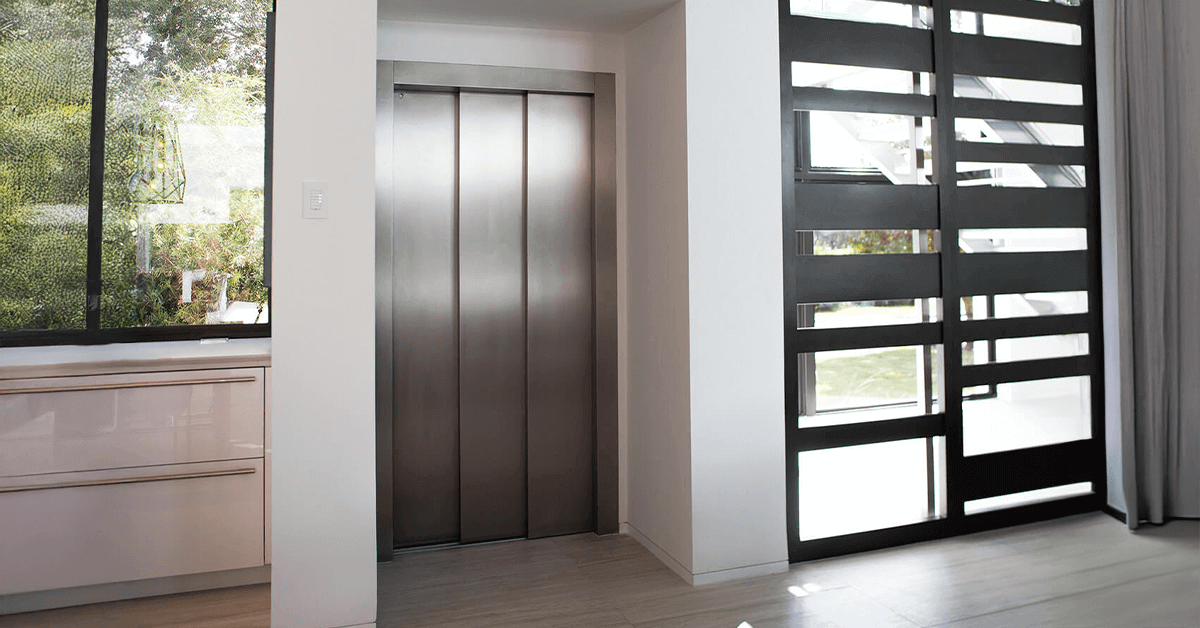
Cab finishes include options like glass panels, modern metal tones, wood veneer, or custom paint. Builders can even integrate the elevator into stairwell corners or blend it into wall cabinetry for a seamless look.
With thoughtful design, the elevator becomes a natural extension of the home’s architecture, rather than a visual disruption.
6. Elevating Property Value
Beyond daily convenience, home elevators add measurable financial value.
A well-designed residential elevator can significantly enhance the resale appeal, particularly among buyers seeking multigenerational living or aging-in-place features. In some competitive North Texas neighborhoods, an elevator can even raise market value by 5–10%, depending on layout and design.
Because it enhances usability and accessibility for everyone—not just those with mobility needs—it often pays for itself over time.
7. A Real-World Example: Custom Home in Fort Worth
A custom builder in North Dallas recently worked with Lift-Aids to integrate a residential elevator into a custom two-story home during construction.
By planning the hoistway early, the elevator aligned perfectly with the floor plan, allowing for a smooth installation that required no structural rework.
The finished result provided the family with effortless access to every level—and added a luxury feature that enhanced the home’s resale profile.
8. Key Takeaways: Why Builders and Homeowners Choose Residential Elevators
- Convenience and accessibility improve daily living for every generation.
- Early hoistway planning avoids costly retrofits and layout changes.
- Design flexibility ensures seamless architectural integration.
- Increased property value makes elevators a strong investment.
- Trusted local expertise ensures a safe and code-compliant installation.
9. Plan Your Elevator with Confidence
Whether you’re a builder designing a luxury home or a homeowner planning to age in place, a residential elevator offers both comfort and long-term value.
Lift-Aids has decades of experience helping North Texas homeowners and builders design, install, and maintain safe, beautiful elevator systems.
Contact Lift-Aids, Inc. to speak with a professional about your project needs and goals. We’re happy to consult with you on the best accessibility option for your project.