
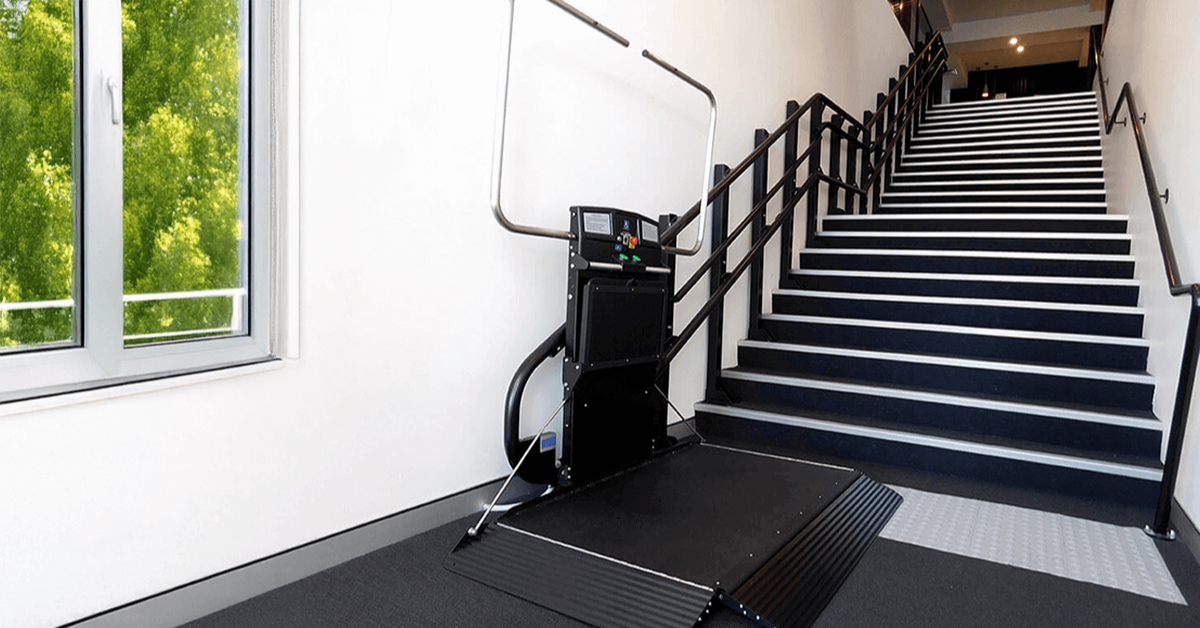
06 Apr Home Elevator vs Stair Lift: Which Is Better for Aging in Place?
For custom home builders, architects, and project managers in the Dallas-Fort Worth Metroplex, specifying a residential elevator is no longer an uncommon luxury request—it is a frequent requirement driven by an affluent demographic looking to future-proof their properties for long-term independence. However, integrating a vertical lifting system into a new construction project requires navigating a complex matrix of structural engineering, electrical requirements, and stringent state safety regulations. Failing to plan for these technical parameters early in the design phase can lead to framing delays, failed inspections, and costly change orders that erode project margins.
This guide outlines the critical code requirements and structural specifications necessary to successfully integrate a residential elevator into a North Texas new build.
1. Navigating Code Jurisdictions in Texas
The regulatory framework for residential elevators in Texas is distinct from commercial vertical transportation. While commercial lifts are heavily regulated with mandatory annual state filings under the Texas Department of Licensing and Regulation (TDLR), residential elevators installed in private single-family homes are primarily governed by municipal building departments enforcing specific editions of national safety codes.
- The Governing Standard: Private residence elevators must comply with ASME A17.1 (Section 5.3), the Safety Code for Elevators and Escalators.
- Local Municipal Variations: DFW municipalities adopt different versions of the International Residential Code (IRC) and National Electrical Code (NEC). For example, a project in Southlake may enforce a different code year than an urban infill project in Dallas or a custom estate in Westlake. Always verify the local jurisdiction’s adopted code edition before finalizing structural drawings.
- The Licensure Requirement: Per Texas state law, any individual or firm erecting, constructing, installing, or altering an elevator must hold a valid Licensed Texas Elevator Contractor credential. General contractors cannot self-perform this installation; utilizing an unlicensed vendor risks structural code violations and can prevent the home from receiving a final Certificate of Occupancy.
2. Structural Hoistway and Pit Specifications
The elevator hoistway (or shaft) is a continuous vertical opening that must be engineered to handle both the dead weight of the equipment and the dynamic structural forces generated during operation.
- Pit Depth and Construction: ASME A17.1 typically requires a concrete elevator pit at the lowest landing. For standard residential models like the Elvoron series, this requires a minimum pit depth of 8 to 12 inches. The pit must be poured level, be completely dry, and be engineered to support the specific rail load forces (often exceeding 3,000 to 5,000 lbs of impact force) detailed in the manufacturer’s submittal drawings.
- The 3″ x 5″ Clearance Rule: One of the most common framing errors that delays inspections is failing to adhere to strict hoistway clearance rules designed to prevent entrapment. The distance between the inside of the hoistway door and the edge of the platform must strictly conform to code limits (often referred to as the 3-inch by 5-inch rule, or the updated 3/4-inch by 4-inch rule depending on the specific code edition enforced). If the space between the hallway door and the elevator car gate is too wide, the system will fail code inspection due to safety hazards.
- Overhead Clearance: At the top landing, the hoistway must have sufficient vertical running clearance to accommodate the elevator car structure and drive mechanisms. Standard hydraulic or traction residential lifts generally require a minimum overhead clearance of 9 feet, 6 inches (measured from the finished floor of the top landing to the underside of the hoistway ceiling).
3. Mechanical and Electrical Infrastructure
Depending on the drive system specified—whether inline gear drive, hydraulic, or overhead traction—the mechanical footprint will dictate your framing layout.
- Dedicated Machine Rooms: Traditional hydraulic residential elevators require a separate, dedicated machine room to house the hydraulic pump unit and controller shield. This room should ideally be located adjacent to the hoistway at the lowest level and must be ventilated to maintain ambient temperatures between 50°F and 90°F.
- Machine-Roomless (MRL) Options: If floor plan space is constrained, specifying an MRL system allows the drive components to fit completely inside the hoistway overhead or pit, eliminating the need for a dedicated room and freeing up square footage.
- Electrical Service Layout: GCs must coordinate early with the electrical contractor to provide two separate, dedicated circuits to the elevator location:
- A 220V, single-phase, 30-amp circuit runs to a lockable, fused disconnect box for the elevator drive power.
- A 110V, single-phase, 15-amp circuit for the elevator car lighting, fan, and emergency backup battery systems.
- Emergency Communication: Code mandates a functional communication device inside the elevator cab. Builders must ensure a dedicated phone line or code-compliant cellular communication module is wired directly into the elevator controller during the rough-in phase.
Strategic Takeaway for Project Managers
Specifying a residential elevator is an exercise in early-stage coordination. Treating vertical transportation as a turnkey appliance rather than an integrated structural element is what leads to post-framing modifications. By partnering with an experienced, Licensed Texas Elevator Contractor during the architectural schematic phase, home builders can secure precise CAD drawings, ensure local municipal code alignment, and deliver a flawless universal design asset to the client.
Disclaimer: This content is for general informational purposes only and does not constitute safety, engineering, or regulatory advice. Equipment selection and outcomes vary based on application, environment, and usage.