
16 Feb Do Home Elevators Increase Property Value? A Texas Real Estate Guide
In the high-growth real estate markets of the Dallas-Fort Worth Metroplex, from the custom estates of Westlake to historic renovations in Fort Worth, homeowners are increasingly viewing accessibility upgrades as a long-term investment rather than a purely medical solution.
As interest in aging in place continues to grow, many property owners are asking a practical question: Do home elevators increase property value in Texas?
The answer depends on several factors, including property type, neighborhood expectations, and installation quality. In many North Texas luxury markets, residential elevators are often viewed as both a lifestyle feature and a practical accessibility upgrade.
Home Elevators as a Luxury Feature in North Texas Real Estate
In affluent DFW communities such as Southlake, Colleyville, and Highland Park, elevators are increasingly common in larger multi-story homes. For luxury properties, they can function as both a convenience feature and a design element.
Market Differentiation in Larger Homes
For homes exceeding 5,000 square feet or three stories, an elevator can help distinguish a property in the luxury market.
Buyers in this segment often prioritize convenience, long-term usability, and thoughtful design features. Including a residential elevator may help position a home among other high-end listings that offer similar amenities.
Architectural Integration
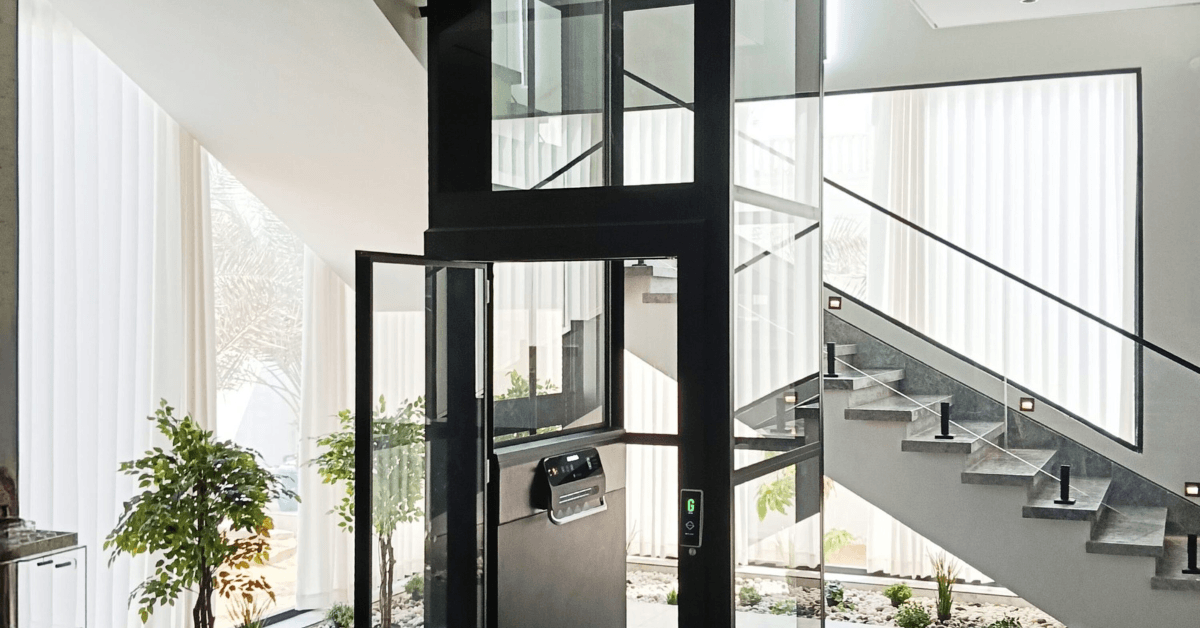
Modern residential elevators are designed to integrate with a home’s architecture. Many systems offer customizable finishes, including glass cab panels, wood interiors, and flush-mounted doors that align with surrounding walls.
When designed as part of the home’s layout, elevators can complement the overall aesthetic rather than appear as a retrofit or medical addition.
Learn more about residential elevator options: https://www.lift-aids.com/residential-elevators/
Potential Impact on Appraised Value
The effect of a residential elevator on property value varies by location and property type. However, some real estate professionals report that a professionally installed elevator may contribute approximately $20,000 to $40,000 to the appraised value in certain luxury markets.
Actual value impact can vary depending on buyer demand, property size, and the quality of installation.
Expanding Appeal to Aging-in-Place Buyers
Demographic trends are also influencing housing preferences in Texas. Many homeowners are planning for long-term accessibility when selecting or upgrading a property.
Reaching a Broader Buyer Pool
Homes equipped with accessibility features may appeal to a wider range of buyers, including:
- Older adults planning for long-term mobility needs
- Multi-generational households
- Buyers seeking convenience for daily living
In competitive housing markets, these additional considerations can influence purchasing decisions.
Addressing the Second-Floor Barrier
In multi-story homes, a primary bedroom on the second floor may limit appeal for buyers concerned about future mobility challenges.
Adding an elevator can help reduce this barrier and allow potential buyers to consider homes that might otherwise feel less practical over time.
Why Professional Installation Matters
When considering the value of a residential elevator, installation quality and regulatory compliance are critical factors.
Licensed Installation Requirements
In Texas, residential elevators must be installed by a Licensed Texas Elevator Contractor. Proper installation ensures that the equipment meets required safety codes and regulatory standards.
Non-compliant installations can create complications during home inspections and may require corrective work before a property sale.
Safety and Code Compliance
Professionally installed elevators are designed to meet ASME A17.1 safety standards, which help ensure reliable and safe operation.
Documentation of compliance can also provide reassurance to prospective buyers during the resale process.
Maintenance Documentation
Maintaining a documented service history can support the long-term reliability of the equipment and demonstrate that the system has been properly maintained.
During a home sale, maintenance records may help show that the elevator has been regularly serviced and remains in working condition.
Everyday Benefits Beyond Resale Value
While property value is an important consideration, many homeowners install elevators because of the daily convenience they provide.
Improved Household Functionality
Residential elevators can make it easier to move items between floors, such as:
- Groceries
- Luggage
- Laundry
- Furniture or household supplies
This can be particularly helpful in larger homes with multiple levels.
Supporting Long-Term Mobility
Elevators can also reduce reliance on stairs, which may help support safer mobility as household needs change over time.
Each home and mobility situation is unique, so homeowners often benefit from professional consultation when evaluating accessibility options.
A Strategic Upgrade for Long-Term Home Value
For many North Texas homeowners, installing a residential elevator serves two purposes. It improves daily convenience and accessibility today while also supporting long-term market appeal.
In regions where luxury amenities and aging-in-place planning are both increasingly important, a residential elevator can be a thoughtful addition to a multi-story home.
Learn more about Lift-Aids accessibility solutions: https://www.lift-aids.com/
Disclaimer:
This content is for general informational purposes only and does not constitute safety, engineering, or regulatory advice. Equipment selection and outcomes vary based on application, environment, and usage.