
22 Dec Space-Saving Accessibility Solutions When Ramps Won’t Work
In the competitive real estate and construction market of North Texas, architects and custom builders often encounter a familiar challenge. How do you balance thoughtful design with accessibility requirements when space is limited?
Ramps are a traditional solution for addressing changes in elevation, but they are not always practical. ADA-compliant ramps require approximately 12 inches of horizontal run for every inch of vertical rise. On compact urban lots or refined residential properties, this footprint can quickly become unworkable.
When space and aesthetics matter, engineered vertical accessibility solutions such as Vertical Platform Lifts (VPLs) and LU/LA elevators provide a practical, code-compliant alternative without compromising architectural intent.
The Space Limitations of Traditional Ramps
For high-end residential and commercial projects in communities like Southlake, Highland Park, and throughout the DFW Metroplex, ramps can introduce challenges that extend beyond basic compliance.
Large Footprint Requirements
A porch or entry with a 36-inch rise may require a ramp extending more than 36 feet to meet accessibility standards. This amount of space can interfere with garages, driveways, landscaping, or pedestrian circulation.
Design and Visual Impact
In many projects, especially luxury homes or carefully designed commercial buildings, large ramps can feel visually intrusive. Clients often prefer accessibility solutions that integrate naturally into the structure rather than drawing attention to mobility accommodations.
For property owners planning to age in place or for designers working on long-term use facilities, maintaining both function and visual cohesion is a key priority.
Vertical Platform Lifts as a Compact Accessibility Solution
Vertical Platform Lifts, often referred to as porch lifts, are commonly used for vertical rises of up to approximately 14 feet. They provide a reliable alternative when ramps are not feasible.
Smaller Footprint
Most VPLs require a footprint of roughly five feet by five feet. This allows designers to replace a long ramp with a compact vertical system that fits within tight site constraints.
Flexible Installation Options
VPLs can be installed indoors, outdoors, or within garages, depending on project needs. Outdoor models can include weather-resistant finishes, while indoor installations can blend seamlessly into finished spaces.
Practical Performance
Vertical platform lifts typically operate on a dedicated concrete pad and can be configured with various platform sizes and capacities, often supporting loads up to 750 pounds. They are well-suited for residential entries, stages, small commercial buildings, and retrofits.
To explore available options, visit https://lift-aids.com/vertical-platform-lifts/.
LU/LA Elevators for Multi-Level Accessibility
For projects requiring vertical travel beyond a single level, LU/LA elevators offer an effective solution that bridges the gap between platform lifts and full commercial elevators.
Reduced Construction Requirements
Unlike traditional commercial elevators that often require deep pits and extensive overhead clearance, LU/LA elevators typically need only 13 to 14 inches of pit depth. This can simplify structural planning and help control construction costs.
Refined Appearance
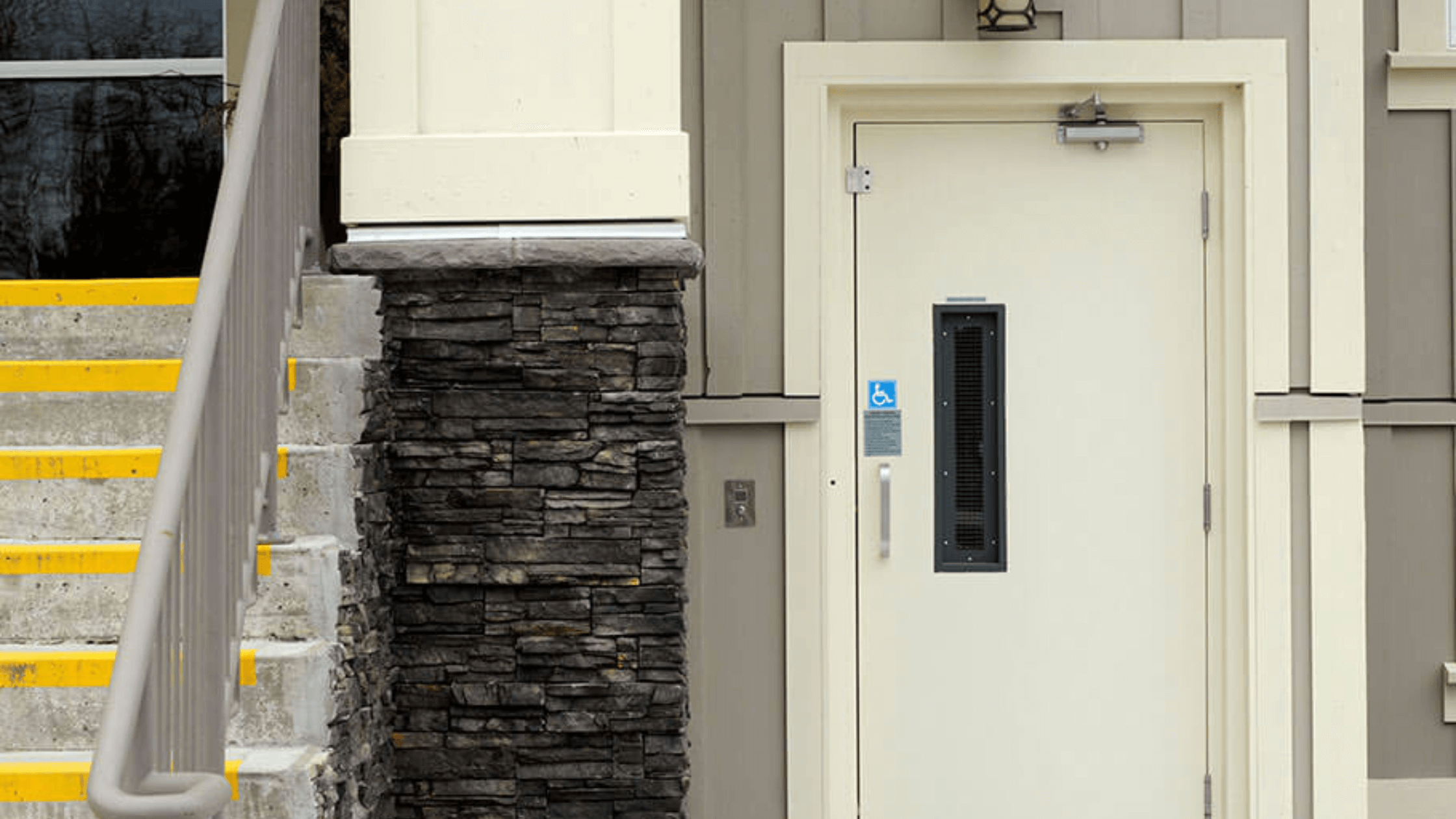
LU/LA elevators are designed to resemble passenger elevators, with automatic sliding doors and customizable cab finishes. Options may include wood, metal, or laminate surfaces, allowing the elevator to complement the overall design of the building.
Commercial and Institutional Use
With capacities up to approximately 1,400 pounds and travel distances of up to 25 feet, LU/LA elevators are frequently used in schools, churches, offices, and community facilities where ramps are impractical or would consume excessive space.
Learn more about LU/LA elevator solutions at https://lift-aids.com/lu-la-elevators/.
Planning Considerations for Builders and Project Managers
Selecting the right accessibility solution involves more than choosing equipment. It requires careful coordination with building codes, site conditions, and long-term operational needs.
Code Compliance and Documentation
Working with a licensed Texas elevator contractor can help streamline the approval process. Proper technical drawings and submittals support smoother inspections and help reduce the risk of delays or compliance issues.
Long-Term Service and Support
Vertical accessibility equipment may require maintenance over time. Partnering with an established provider can support reliable service, parts availability, and ongoing operational support throughout the life of the equipment.
Lift-Aids has served North Texas since 1968, supporting architects, builders, and property owners with accessibility solutions designed to meet practical needs while respecting architectural intent.
Disclaimer: This content is for general informational purposes only and does not constitute engineering, safety, or regulatory advice. Equipment selection and outcomes vary based on application, environment, and usage. Always consult qualified professionals during project planning.